Cockroach control
Targeted cockroach control for kitchens and dining spaces
German and American cockroaches thrive around moisture, grease buildup, and food debris. In a kitchen or dining room, even a small population can contaminate prep surfaces and storage areas. Look for droppings resembling coffee grounds, smear marks along walls, a musty odor, and egg cases tucked into cabinet seams. Nocturnal activity often shows up first in pantries, behind appliances, and under sinks.

Treatment process
How cockroach treatment is carried out
01
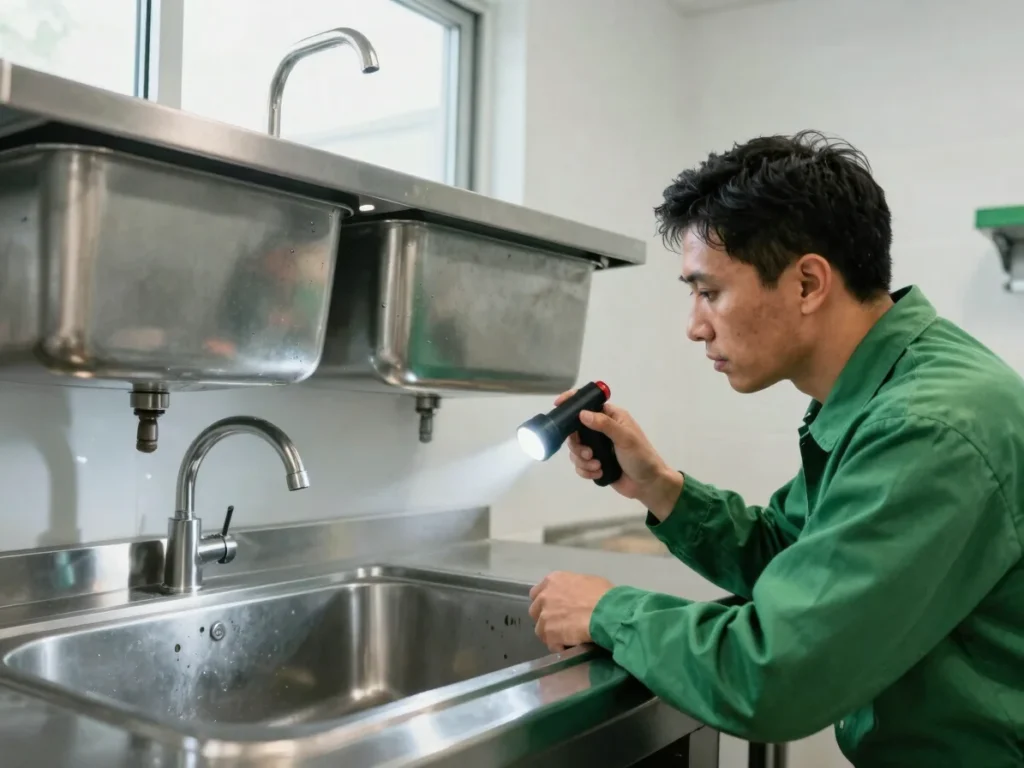
Inspect harborage areas
We check pipe chases, cabinet voids, appliance backs, and drain lines to identify where cockroaches are hiding and feeding.
02
Place targeted gel bait
Precise gel bait is applied in small placements along travel routes and harborage edges, away from food-contact surfaces.
03
Apply harbor spray protocols
Residual crevice treatments are used in cracks and voids where bait access is limited, following label directions and safety guidance.
04
Confirm and follow up
We review activity after treatment and schedule follow-up visits so the results can be checked over time, without guaranteeing elimination.
Prevention tips
Keeping cockroaches from coming back
Sanitation is the foundation of lasting control. Commercial kitchens should follow a daily checklist: clear grease from hoods and fryer areas, wipe prep surfaces after each service, store dry goods in sealed containers, and empty bins before closing. Floor drains and grease traps should be cleaned on a set schedule, because standing moisture and organic buildup attract breeding activity.
At home, reduce moisture under sinks, fix leaking pipes, keep food sealed, and avoid leaving dishes overnight. Cracks around plumbing and appliances can be sealed to limit hiding spots. Pair these habits with professional inspection so treatments are matched to the activity we find, not applied on assumption.